People who have been hurt often look for answers before they look for a lawyer. Many of them search YouTube, or find a video at the top of a Google search. A firm with clear, helpful videos is already familiar by the time that person is ready to call. This guide covers what injury firms should post on YouTube, how to get those videos found, when YouTube ads make sense and the rules that apply.
Why YouTube is different from other social platforms
Most social media is a feed. Posts are seen for a day or two and then disappear. YouTube works more like a search engine: people type questions, and videos that answer them can keep being found for years. Google also shows videos in its own search results. That makes YouTube closer to content marketing than to posting on a social feed, and it rewards firms that answer real questions consistently. The guide to law firm social media marketing covers the feed platforms.
What injury firms should post
- Answers to common questions. What to do after a car accident, how a claim works, what happens if the other driver has no insurance, how long a case can take. Each question your intake team hears every week is a video.
- Explainers on your practice areas. Short videos on truck accidents, work injuries or slip and fall cases, in plain language.
- Local videos. Topics specific to your state or city, such as how fault rules work where you practice. Local questions face far less competition than national ones.
- Introductions to the lawyers. A short, natural video of each attorney explaining who they help. People hire people they feel they know.
- Process videos. What happens on the first call, what to bring to a consultation and what the firm handles from there.
How to make videos people watch
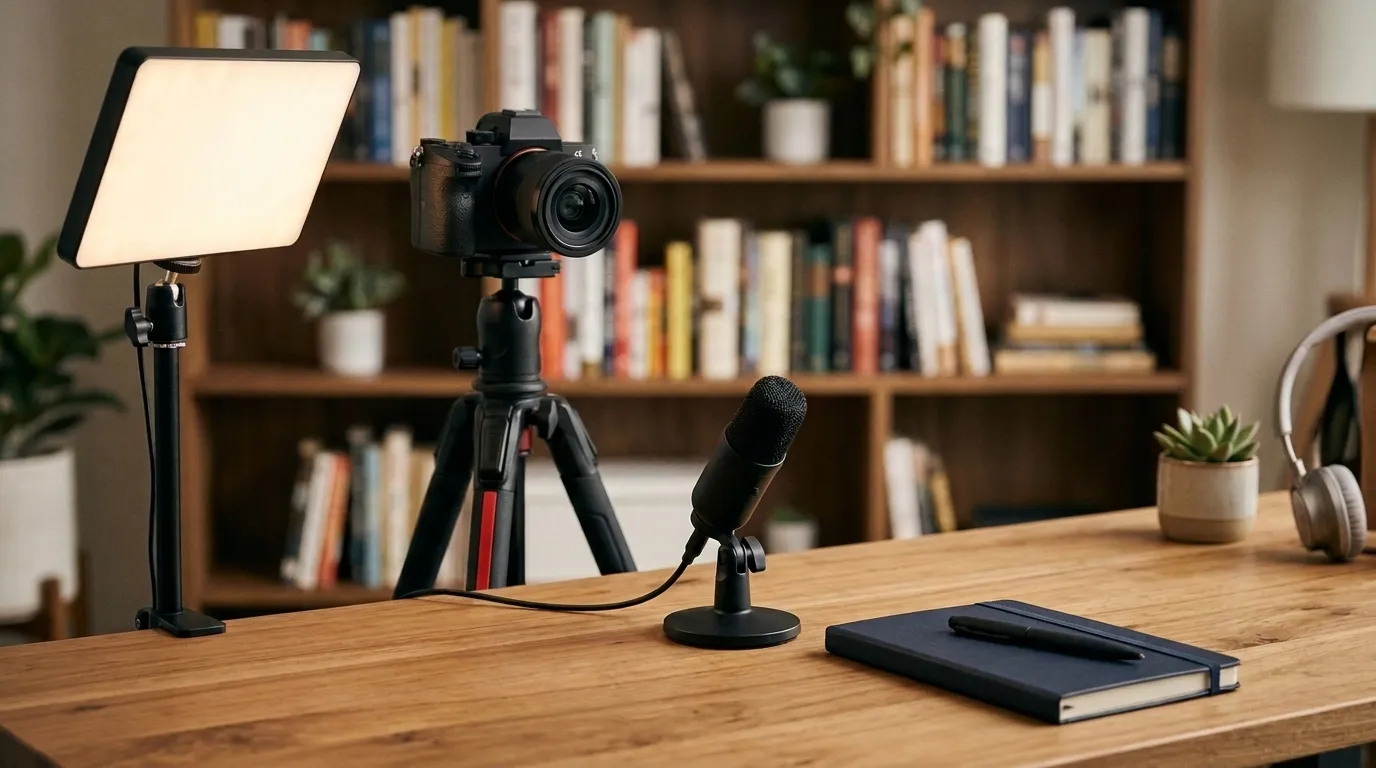
Production quality matters less than most firms expect. Clear sound, decent light and a steady camera are enough. What matters more is getting to the point. Answer the question in the first moments, keep each video to one topic, speak to the viewer as you would to a client across the desk and end with one clear next step. Short videos for YouTube Shorts can point viewers to the longer explanations.
How to get your videos found
- Title the video with the question. Use the words people actually search, not internal legal terms.
- Write a real description. Summarize the answer, name the city or state you serve and link to the matching page on your site.
- Add captions. Accurate captions make videos accessible and give YouTube more text to understand.
- Use playlists. Group videos by case type so one view leads to the next.
- Embed videos on your site. Put each video on the page that covers the same topic. The guide to SEO for lawyers covers how pages and videos support each other in search.
- Link the channel everywhere. Your website, email signature and Google Business Profile.
When YouTube ads make sense
Organic videos build slowly. YouTube ads can put a message in front of viewers in a specific area right away, including on connected TVs, where YouTube is watched on the living room screen. That makes them a way to build recognition in a market for firms that are not ready for broadcast, or to test a message before producing a TV commercial. As with TV, ads mainly build recognition, so judge them on signed cases over a meaningful period rather than on clicks in the first weeks. The guide to law firm KPIs covers the numbers worth tracking.
Stay inside the advertising and ethics rules
A YouTube video that promotes your firm is lawyer advertising. Rules based on ABA Model Rule 7.1 prohibit false or misleading statements, and rules based on Model Rule 7.2 generally require advertising to include the name and contact information of at least one lawyer or firm responsible for its content. Many states add their own requirements on past results, testimonials, dramatizations and disclaimers, and some require advertising to be filed or kept on record. Confidentiality duties based on Model Rule 1.6 mean never discussing a client's matter on camera without their informed consent. Check your state bar's rules before you publish, and see the guide to lawyer advertising for more detail.
Comments and viewer questions
Comments are useful feedback, and a quick, polite reply shows the firm is attentive. Avoid answering a specific viewer's legal situation in the comments. Invite them to contact the firm instead, so the conversation happens privately and the right intake questions get asked. Remove spam and abusive comments, and keep a simple policy for who on your team replies.
Common mistakes
- Starting a channel and stopping after a handful of videos.
- Long introductions before the answer.
- Titles written in legal jargon that nobody searches.
- No link from the video to the matching page on your site.
- Videos that never tell the viewer what to do next.
- Publishing before checking state bar advertising rules.
The short version
YouTube works like a search engine, so videos that answer the questions injured people ask can keep bringing in viewers for years. Make short, clear videos on common questions, practice areas and local topics, title them the way people search and link each one to your site. Use YouTube ads to build recognition in a market faster, follow your state's advertising rules and pair your channel with campaigns that reach people the moment they need a lawyer.
Frequently asked questions
Should lawyers be on YouTube?
For many injury firms, yes. People search YouTube for answers after an accident, and helpful videos make a firm familiar and trusted before the first call.
What videos should a law firm post?
Answers to the questions clients ask most, plain language explainers on your practice areas, local topics, short attorney introductions and videos about what happens after someone calls.
Do YouTube ads work for law firms?
They can build recognition in a specific area quickly, including on connected TVs. Judge them on signed cases over time rather than on early clicks.
Are there rules for lawyer videos on YouTube?
Yes. Promotional videos are lawyer advertising and must follow your state's rules, which are based on the ABA Model Rules and often add requirements about results, testimonials and disclaimers.
How do I get my law firm's videos found?
Title each video with the question people search, write a real description, add captions, group videos into playlists and embed them on the matching pages of your website.
Videos Build Trust. Campaigns Fill the Calendar.
A YouTube channel helps people get to know your firm before they call. Legal Leadz AI runs exclusive injury campaigns state by state and delivers each lead to one firm. Tell us the state and case types you want and we will show you what the volume looks like before you commit.
Get My Free Market Analysis →