Most injury firms treat social media the same way: a post when the office wins an award, a holiday greeting, a stock photo of a gavel. Then someone asks why the accounts never produce a single case.
The honest answer is that organic social media is rarely where an injured person goes looking for a lawyer. Someone who was hit at an intersection this morning searches, asks a friend or calls the number on a billboard. Social media works earlier than that. It decides whether your name is already familiar, and already trusted, on the day that person needs help. Used for that job, it is worth the time. Used as a lead source, it usually disappoints.
What organic social actually builds
Familiarity. People hire names they recognize. A firm that shows up in someone's feed every week for a year has an advantage when that person, or their cousin, is in a crash.
Credibility before the call. Many people check a firm's profiles after they find it somewhere else. An account that has been quiet for eighteen months, or that only posts about the partners' awards, raises questions. One with useful, recent posts answers them.
Referrals. Past clients, local businesses and other attorneys share what they see. A clear post explaining what to do after a car accident is the kind of thing people forward to someone who needs it.
Content you can reuse. A short video answering a common question can live on the firm's website, in follow-up messages to new clients and in paid campaigns. The social post is often the cheapest place to find out which explanations people actually watch.
Which platforms are worth the time
There is no need to be everywhere. Pick the platforms where the firm's likely clients already spend time and post there consistently.
Facebook still reaches a broad adult audience in most local markets and is where community groups, local news and neighborhood conversations happen. For most injury firms it is the first account to get right.
Instagram suits short videos and a look behind the scenes at the people in the firm. It tends to skew younger than Facebook.
TikTok and YouTube Shorts reward short, direct explanations, such as what to say to an insurance adjuster or what to photograph at a crash scene. They can reach people who would never follow a law firm, but they demand a steady supply of video.
YouTube is closer to search than to social. Longer answers to the questions people type into a search bar can keep working for years.
LinkedIn matters mostly for referrals from other attorneys and professionals, not for reaching injured people directly.
What to post
Answer the questions clients ask on the first call. How long does a claim take? Do I have to pay anything up front? Should I talk to the other driver's insurance company? Each answer is a post, and together they show the firm knows its work.
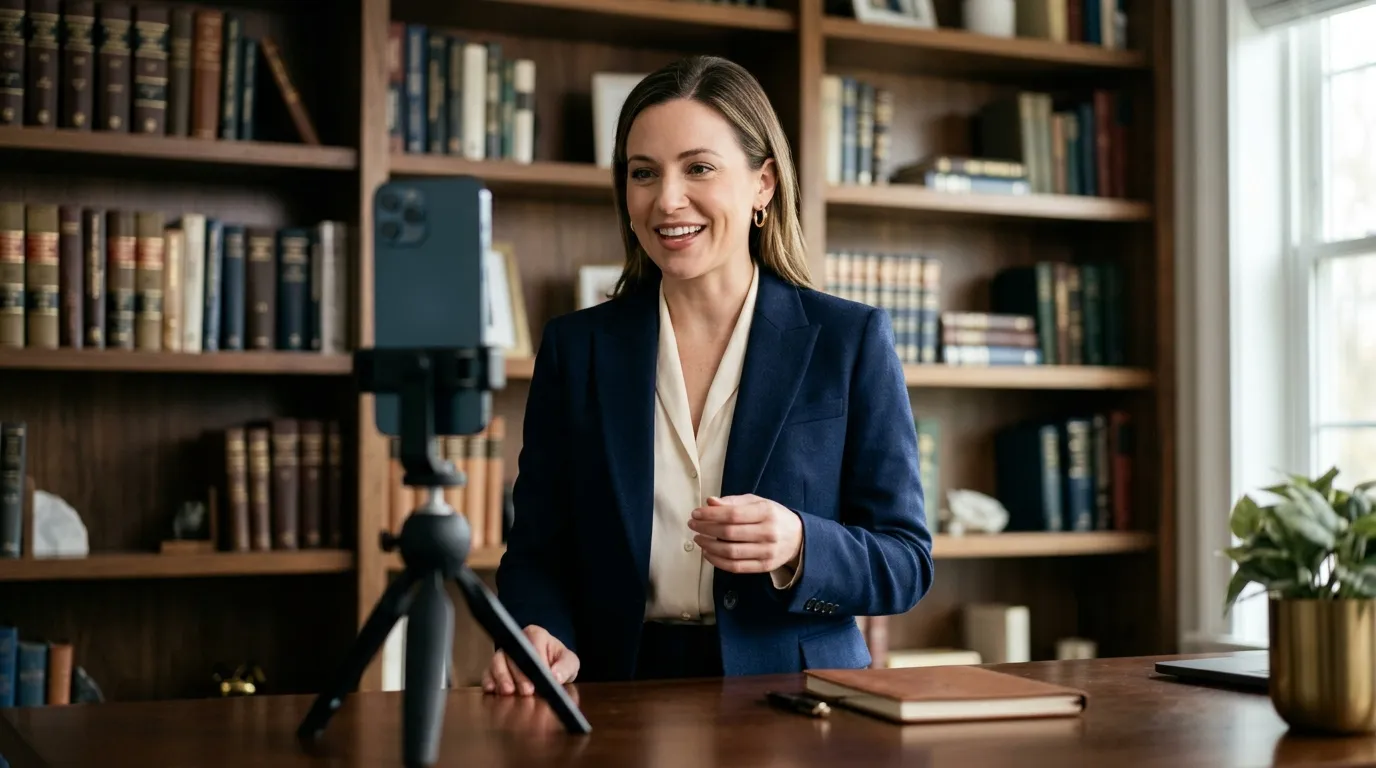
Show the people. Short clips of the attorneys and staff explaining something in their own words build more trust than any graphic. Nobody expects studio quality. They expect a real person.
Be local. Road safety warnings before a holiday weekend, a note about a dangerous intersection, a community event the firm supports. Local posts get shared, and they remind people the firm is nearby.
Keep a schedule you can actually keep. Two useful posts a week, every week, beat a burst of daily posting that stops after a month.
The rules still apply
Social media posts are lawyer advertising. State bar rules on advertising, testimonials, past results and client confidentiality apply to a thirty second video exactly as they apply to a billboard, and some states require specific disclaimers or filing of advertisements. The guide to lawyer advertising rules covers the main issues.
Three habits prevent most problems. Never discuss a current client's case or share details that could identify them without proper written consent. Be careful with anything that looks like a promise about outcomes. And answer comments and messages carefully: a public reply giving specific legal advice to a stranger can create problems of its own, so move those conversations to a private, documented channel.
Messages are leads too
When social media does produce a potential client, it usually arrives as a direct message at an inconvenient hour. If nobody sees it until Monday, the person has already called someone else. Decide who watches the inboxes, how fast they respond and how a message becomes an intake record with its source attached, so it can later be traced to a signed case. The same speed rules that apply to web forms apply here.
Where paid social takes over
Organic reach on most platforms is limited, and it is not designed to put a firm in front of people who were injured last week. That is what paid campaigns do. Paid social can target by location and interest, send people to a landing page that matches the ad and be measured against signed cases. The guide to Facebook ads for lawyers covers how those campaigns work and where they struggle.
The two work best together. Organic posts make the firm familiar, and paid campaigns reach people at the moment they need help. When someone clicks an ad and checks the firm's page, a year of useful posts is what they find.
Measure what matters
Followers and likes are easy to count and easy to over-value. The numbers that matter are messages received, calls and forms that came from social media, and the cases they became. If the firm cannot trace a signed case back to where the person first found it, it cannot tell whether the time spent on social media is paying off. The guide to law firm CRMs covers how to keep that source attached from first contact to signed case, and the guide to law firm website design covers the pages those visitors land on.
The short version
Organic social media builds familiarity and trust. It rarely signs cases by itself. Pick one or two platforms, answer real client questions with real people on camera, stay inside the bar rules, respond to messages fast and measure calls and cases, not likes. When the firm needs volume, add paid campaigns and let the organic work make them more effective.
Frequently asked questions
Does social media marketing work for personal injury firms?
Yes, but mostly as a way to build familiarity and trust rather than as a direct source of cases. Paid social campaigns are the part designed to reach people who need a lawyer now.
Which social media platform is best for a law firm?
For most injury firms, Facebook is the first platform to get right, followed by one video platform such as Instagram, TikTok or YouTube. LinkedIn is mainly useful for attorney referrals.
How often should a law firm post on social media?
As often as it can keep up consistently. Two useful posts a week, sustained for a year, do more than daily posting that stops after a month.
Do bar advertising rules apply to social media posts?
Yes. Posts, videos and paid social ads are lawyer advertising, and state rules on testimonials, past results, disclaimers and confidentiality apply to them.
Should a law firm answer legal questions in comments?
General information is fine. Specific advice about a person's situation should move to a private, documented conversation.
How do you measure law firm social media marketing?
By the messages, calls and forms it produces and the cases those become, not by followers or likes. That requires keeping the source attached to every lead from first contact to signed case.
Need Cases, Not Just Followers?
Legal Leadz AI runs exclusive injury campaigns state by state. Tell us the state, the case types and what your intake can realistically work in a month, and we will show you what the volume and the economics look like in that market before you commit to anything.
Get My Free Market Analysis →